Sugar Rush Moving logo Sugar Rush Moving
Near Westside moving and storage

Moving and storage service for the Near Westside, Indianapolis

The Near Westside holds two very different stories: Haughville, settled in 1830 and annexed in 1897, with a National Register section of homes from 1880 to 1930, and the Central State campus, a 150 to 160-acre former hospital campus redeveloped into apartment communities. This moving and storage page covers both, plus the Stringtown fold, with no boundary drawn, because no verified boundary was sourced. Sugar Rush Moving, a moving and storage service on the Near Westside, is open 24 hours every day at (317) 961-2712.

5.0
Average rating · 88 reviews
24 hrs
Open every day
Open 24 hours
Call (317) 961-2712 any time

Near Westside overview

An annexed village and a campus reborn as apartments

No boundary is drawn here

No sourced boundary was found for the statistical area. A single-source candidate boundary exists but is unverified and uncorroborated, so it is not used on this page. No township is asserted. Addresses are confirmed individually.

Haughville's 1880 to 1930 homes and the Central State campus apartments are different move contexts in one area.

Haughville was settled in 1830, gained a foundry in 1880, incorporated in 1883, and was annexed in 1897. Its National Register section is a residential area with houses built between 1880 and 1930 in styles including Queen Anne, Colonial Revival, and Bungalow and Craftsman, and that section is kept distinct from the neighborhood as a whole and from any local designation, of which none is claimed. The Central State campus, acquired by the City in 2004, has been redeveloped into multiple named apartment communities, with a further planned project of 242 units, and planned-versus-built discipline applies throughout: Stringtown Union at Astor, for example, is not yet built. Stringtown and Hawthorne are named folds in this entry, with rail lines forming Hawthorne's north and south edges in a single-source account. No sourced access facts were found for the area.


How we work locally

How to plan a move on the Near Westside

A large multi-building campus

The Central State campus is a large multi-building site with multiple named apartment communities and a planned project still to come. Building-level facts belong to named projects, not to the campus as a whole.

Solution: Name the specific community and building when planning, confirm its access arrangements, and keep planned projects distinct from built ones.

Older homes in a National Register section

Haughville's National Register section holds homes from 1880 to 1930. The section is a National Register description, not a local designation, and the houses still present older-home stairs and dimensions.

Solution: Measure stairs, turns, and doorways against the largest pieces, and agree on protection for original trim and floors.

Names within this area

HaughvilleStringtownHawthorneFairfaxCentral State campus

The area on the map

Near Westside

Get directions

Move types on the Near Westside

Planning note 1

A campus apartment move

The situation

A move into or out of a named apartment community on the Central State campus, where the building's arrangements shape the day.

What to plan

Confirm the community, the building, and its access arrangements, and plan timing around what the building allows. Keep planned projects out of the plan until they are built.

What helps

Written confirmation of building access, and an estimate that names the specific community and building.

Planning note 2

A Haughville older-home move

The situation

A move from a home built between 1880 and 1930 in the National Register section, where stairs and original dimensions set the plan.

What to plan

Measure the route and the largest pieces, confirm truck standing space, and agree on protection for original trim and floors.

What helps

A route check before moving day and an estimate that names stairs, carry distance, and any specialty items.

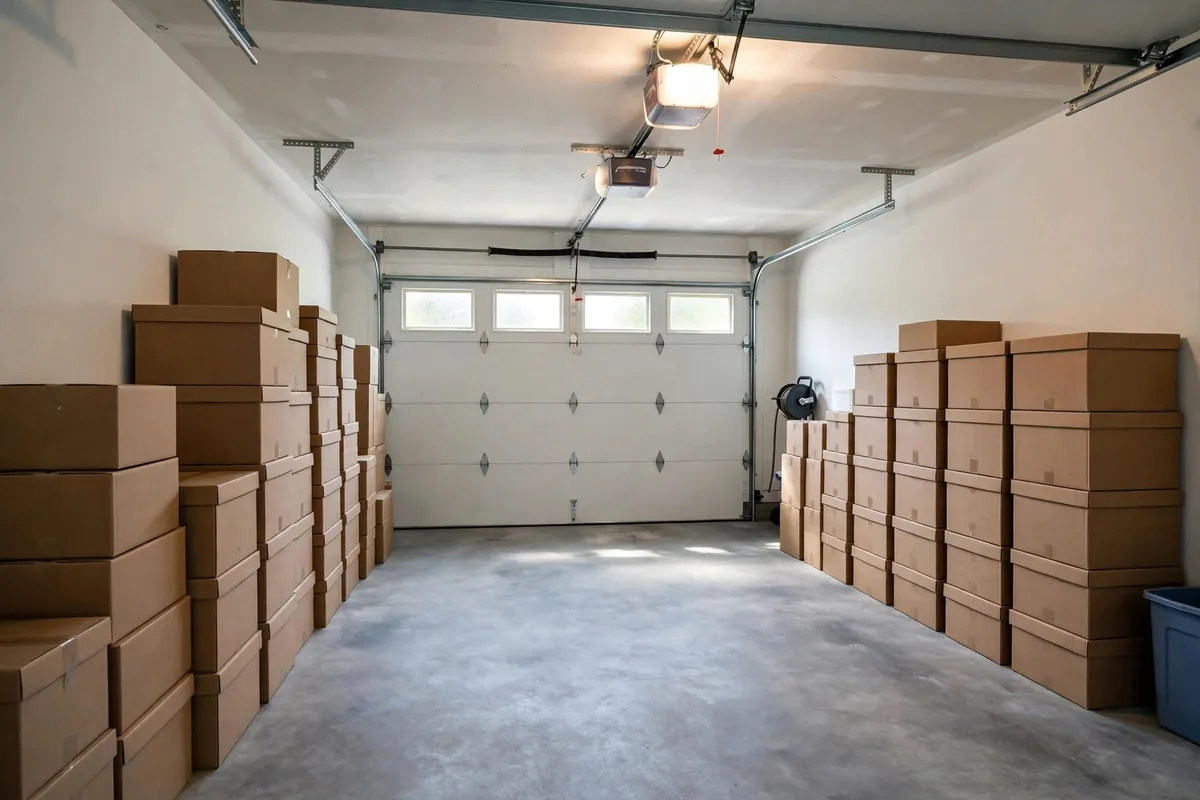
Garage with organized packed moving boxes — moving and storage service in Near Westside, Indianapolis, IN
Planning notes
Planning notes

Planning a move on the Near Westside

Name the place inside the place

The Near Westside rewards the same discipline as any umbrella: name the smaller place first. Haughville, Stringtown, Hawthorne, and the Central State campus are not interchangeable, and a plan written for a campus apartment will not fit an 1890s house. Keep the National Register section distinct from local designation, keep planned buildings distinct from built ones, and confirm the address rather than the area name. Sugar Rush Moving is open 24 hours at (317) 961-2712 to talk through the address you actually have.

5.0
Average rating · 88 reviews

Local questions

How is a move on the Near Westside priced?

Quotes follow the job: inventory, access, packing scope, and specialty items, under one of two models — time-based for local moves, weight-and-distance for longer moves within Indiana. Here, the context often moves the figure: multi-unit campus access differs from an older home's stairs and carry. Ask whether the estimate is binding, non-binding, or not-to-exceed, what would change it, and how the charges relate to the tariff; this site publishes no prices.

Is Sugar Rush Moving open 24 hours?

Yes, every day, around the clock: (317) 961-2712. Dates are scheduled, not assumed, so the call is how you check whether your date is available.

Does the Near Westside have a published boundary?

No verified boundary is published on this page. A single-source candidate boundary exists in one family-history account, but it is unverified and uncorroborated, so it is not adopted as the area boundary. Confirm the specific address rather than relying on an area edge.

Before you book

Before you book: questions to ask

A two-story area rewards a careful booking conversation. Ask what paperwork the move produces, and when: for interstate moves, federal rules require a written estimate based on a physical survey, on-site or virtual, unless waived in writing, a 17-item bill of lading, and shipper-rights documents, and none of those federal duties governs a purely intrastate move, so ask what applies to yours. Ask whether the company is the carrier that will move the goods or a broker arranging the move, since broker registration is a different status and a USDOT number alone does not establish interstate operating authority. Get the answers in writing, with the estimate type and scope spelled out, before you commit to a date. For campus moves, also ask what building information the mover needs.

Ask what authority covers the move
Ask how estimates and valuation work
Ask what the written estimate covers Scope, access, and timing in writing
When To Call

Signs you need a moving and storage service on the Near Westside

Moves here usually start with the smaller place: a campus apartment, or a Haughville house changing hands. These are the situations that most often turn a plan into a phone call.

1. A campus apartment with building arrangements

Multi-unit buildings set their own access arrangements. Confirm them for the specific community before moving day.

2. An older Haughville home with tight turns

Homes from 1880 to 1930 were built for smaller furniture. Measure the largest pieces against the route before the day.

3. A gap between homes

When one home ends before the next begins, the goods need somewhere to wait. Ask what model applies, how access and retrieval work, and what the written terms say about conditions and liability.

4. Fragile items in an older home

Glassware, framed pieces, and items with no replacement reward packing help. If packing feels like the hardest part, discuss it early.

5. A weekend or month-end date

Month-end turnover and weekend demand compress the schedule across Indianapolis, most of all in the May-to-September peak. Call as early as you can for those dates, and ask what is available rather than assuming a slot.

Local Problem Patterns

Common moving and storage problems on the Near Westside

The recurring problems here come from mixing up the area's layers: planned and built, National Register and local designation, campus and village.

Planned buildings treated as built

Why it happens here

Planned projects on the campus are plans, not addresses: a planned 242-unit project is not yet an address, and Stringtown Union at Astor is not yet built. Planning a move around them causes confusion.

What helps

Keep planned projects distinct from built communities, and name the specific built community when planning.

Estimates that change after the walkthrough

Why it happens here

A figure built on assumptions moves when the real job appears: different access, more inventory, or packing that was not in the scope.

What helps

Get the scope in writing before you compare, and ask what would change the figure — then compare only estimates that describe the same job.

Storage terms that stay vague

Why it happens here

Access, conditions, and liability all depend on the model, and 'climate control' means different things at different facilities. Unwritten terms leave the important questions unanswered.

What helps

Get the written agreement, check what it says about access, retrieval, and liability, and ask how the terms differ from the other models.

National Register read as local designation

Why it happens here

Haughville's National Register section is a federal listing description. It is not a local preservation designation, and the two must not be conflated.

What helps

Use the labels as sourced: National Register section for the Haughville houses, with no local designation claimed.

Rated 5.0 from 88 Google reviews. Reviewers mention reliability, efficiency, and friendly staff.

What customers say

5.0

Google rating · 88 reviews

a year ago

Sugar Rush Moving gave me a great deal! They worked well around my busy schedule and were able to fit me in last minute. This was by far the best moving experience!

— Abby

a year ago

I needed to move asap and I saw this ad for this company, I called and the movers were able to help me right away. Very fast service and they also helped me put all the furniture together. 10/10 recommend. Thank you so much for your help.

— Will Of Cam

How pricing works

How moving costs are built on the Near Westside

Moving quotes are built from models, not from a single rate. Storage figures from different models cannot be compared directly: per-container monthly pricing, per-square-foot unit rates, and per-pallet or vault pricing measure different things, and delivery and transport charges for containers are often handled separately from the storage figure itself. Ask which storage model applies to your gap between homes, which unit the figure uses, and whether the figure is a first-month promotion or an ongoing rate, since published listings mix promotional and street rates for the same space. Get the model, the pricing unit, the access terms, and the liability terms in writing before you compare storage with storage. Our cost guide explains the models in more detail.

Open 24 hours: Sugar Rush Moving is open 24 hours every day at (317) 961-2712. Two academic-cycle peaks shape Indianapolis demand: lease-ends in May, when rental turnover concentrates, and university move-ins in late August, when first-year arrivals concentrate around the campuses. Call early for dates in either window, mention the date and the addresses, and ask what the schedule holds, since guide advice on booking lead varies and neither window follows a single published rule.

1

Building context and access

A campus apartment and an older Haughville home present different entries, stairs, and carries. The estimate should name the context and the access actually involved.

2

Packing and specialty items

Older homes hold fragile and period items, and some hold pianos or fine art. Ask how packing and specialty handling are treated in the estimate before comparing figures.

3

Timing and storage gaps

A gap between homes adds a storage question, and storage models differ in access, conditions, and terms. Ask which model applies and what the written terms say.

Year-Round Coverage

How seasons affect moving and storage on the Near Westside

The Near Westside is a two-story area: campus moves at IU Indianapolis on one side, village-scale Haughville houses on the other, and the same seasons land differently on each. University move-ins cluster Aug 16–28, and peak season runs May through September. Our guide to the best time of year to move in Indianapolis covers timing in more detail.

Spring

Spring rain slicks walkways and campus approaches, and wet-weather floor protection matters in shared entries as much as at front doors. In Haughville, spring rain lands on village streets and older homes, so confirm the walkway and the entry before the crew arrives. Keep boxes off wet ground in both contexts, and protect floors from the first wet week.

Tip

Protect floors in shared entries and at front doors alike, and clear the carry path.

Summer

Summer is peak season, May through September, with June the heaviest month in published guides and late-August university turnover adding a demand spike around move-in windows. Summer heat in the 90s with humidity is a real move-day factor from June through August, so morning starts help. Published guide advice on booking lead runs two to six weeks.

Tip

Book summer weekends early, and keep sensitive items out of prolonged heat.

Fall

Fall brings lease turnover, wet leaves on steps and walks, and shorter days that reward an earlier start. Move-ins cluster in late August, so fall turnover follows the academic calendar as much as the lease calendar. Wet leaves hide uneven paving at walkways and curbs, and month-end dates compress first.

Tip

Clear walkways of leaves before moving day, and confirm the truck position for the specific address.

Winter

Winter brings snow, ice, and cold that change the carry path daily, with seasonal snowfall in the 22-to-27-inch range and a climate-normals anchor of 25.5 inches. January lows run around 21–24°F, and freeze-thaw cycles make campus approaches and village walks unpredictable. Clear walks, confirm truck access before the crew arrives, protect floors from salt, and keep electronics and other temperature-sensitive items out of prolonged cold.

Tip

Salt and shovel the path before the crew arrives, and lay floor runners to protect hardwood from salt and slush. Our winter move guide covers preparation in detail.

Hiring Smart

What to ask before hiring a mover on the Near Westside

Near Westside questions split two ways: campus apartments ask about buildings, Haughville houses ask about measuring and protection. The five questions below cover both contexts, and the answers should name the context. Our guide to hiring an Indianapolis moving company covers the same ground in full.

  1. 1

    "How will you handle this building or house?"

    Why it matters

    The answer should fit the context: building arrangements for a campus apartment, measuring and protection for an older Haughville home. Ask for the building rules or the measurements, fitted to the actual context, and get the plan in writing. A campus answer and a village answer are different answers, and the estimate should say which one it is.

  2. 2

    "Is the estimate binding, and what could change it?"

    Why it matters

    Campus and village jobs describe different scopes, so compare only estimates written for the same context: multi-unit building access on one side, an older home's stairs and carry on the other. Ask what the figure covers, what could change it after the walkthrough, and how the charges sit against the carrier's filed tariff. Ask whether the estimate is binding, non-binding, or not-to-exceed, and get the answer in writing before comparing.

  3. 3

    "What authority covers this move, and how can I verify it?"

    Why it matters

    After approval, the certificate follows paperwork, not the other way round: the mover has 60 days to submit proof of insurance, filed by the insurer on Form E, and a tariff, and the certificate is granted only after both are received. If either is missing, the application is dismissed, with reapplication permitted. Ask what the certificate file shows, and check the specifics with the Department of Revenue, which keeps the tariff on file and available on request.

  4. 4

    "What storage model are you describing, and what are its terms?"

    Why it matters

    Ask how long the goods will wait, and which arrangement fits that wait: short-term, long-term, and storage-in-transit stays carry different access, handling, and liability terms. A gap between a campus lease and a village house is still a gap between homes, so ask which model applies to it and what the written agreement covers. Get the duration, the access terms, and the liability terms in writing before committing to the plan.

  5. 5

    "What do I need to confirm with my building?"

    Why it matters

    Campus apartments and village houses set different rules: multi-unit buildings commonly control move scheduling and loading access, while an older Haughville home asks for measuring and protection. Confirm the building's requirements for a campus address, or the measurements for a village house, with the building or the address itself — and do it a week ahead, not on the day. Name the building or house when you ask, and ask how the arrangements affect the estimate.

Knowing the Area

Near Westside: what to know before moving day

This area is an annexation story and a redevelopment story at once. The notes below keep Haughville, Stringtown, and the Central State campus distinct, with planned and built carefully separated.

What defines this area

  • No verified boundary

    No sourced boundary was found for the statistical area. A single-source candidate from a family-history account is unverified and uncorroborated, so it is recorded as a candidate only and never used as the boundary here.

  • An annexation history

    Haughville was settled in 1830, incorporated in 1883, and annexed in 1897. The annexation history is part of the area's background.

  • No township asserted

    Township assignment for this statistical area is unverified. No township claim is made on this page.

Homes and buildings

  • Haughville's National Register section

    A residential area with houses built between 1880 and 1930, in Queen Anne, Colonial Revival, and Bungalow and Craftsman styles. The section is distinct from the neighborhood and from any local designation.

  • The Central State campus

    A 150 to 160-acre former hospital campus, City-acquired in 2004, redeveloped into multiple named apartment communities, plus a planned 242-unit project. Stringtown Union at Astor is not yet built.

Access and approach

  • A large multi-building site

    The campus redevelopment is a large multi-building site. Access facts belong to named projects, scoped individually, never generalized across the campus.

  • Rail edges, single source

    Rail lines form Hawthorne's north and south edges in a single-source account. No sourced access facts, narrow streets, alleys, parking, loading, or elevators, were found for the area.

Service Area

Moving and storage help across Indianapolis

Sugar Rush Moving is an Indianapolis moving and storage service, open 24 hours every day. This page focuses on the Near Westside. Area names overlap and most area boundaries were never sourced, so availability is checked by street address rather than by area name alone: call (317) 961-2712, describe the address, and ask whether your date is available. Nearby Indianapolis areas have their own pages below.

!

Plan your Near Westside move with a phone call

Start with a phone call to (317) 961-2712. Day or night, every day, Sugar Rush Moving is open for the call. Mention the addresses, the date, any gap between homes, and the season, including heat-sensitive items or winter access concerns, so the plan can take the date and the gap into account from the start.

Call (317) 961-2712
Call Now: (317) 961-2712